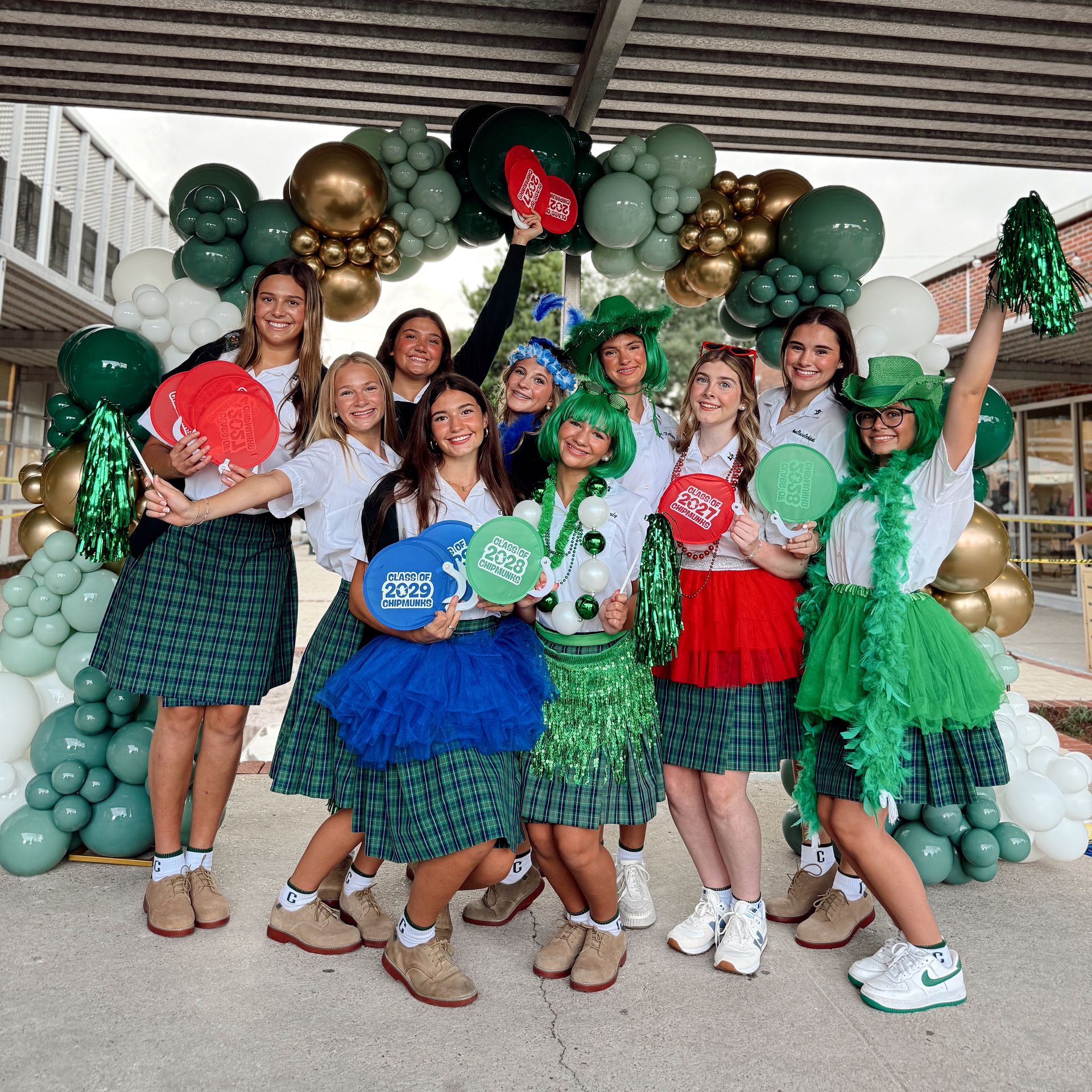
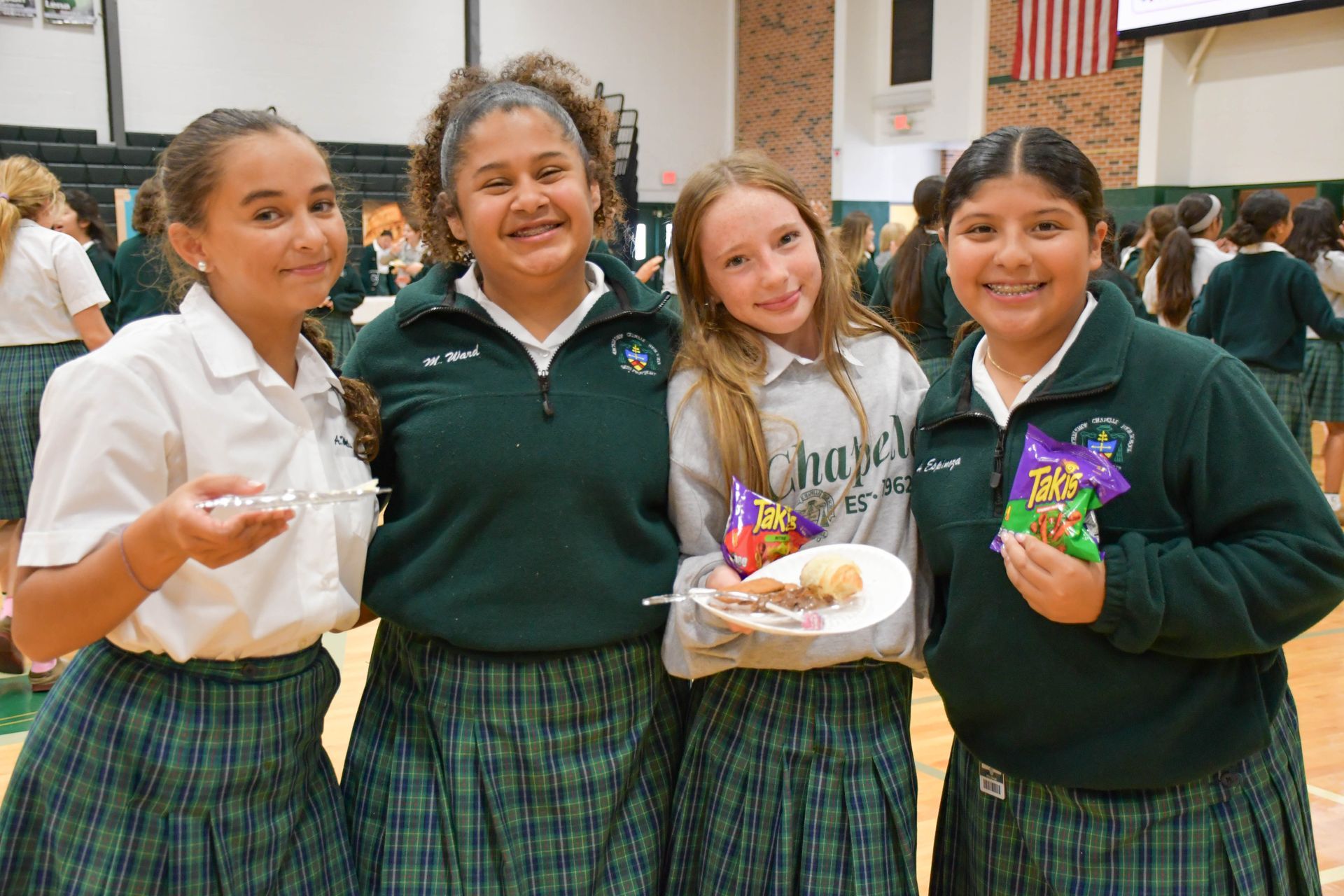
This is where

memories

are made


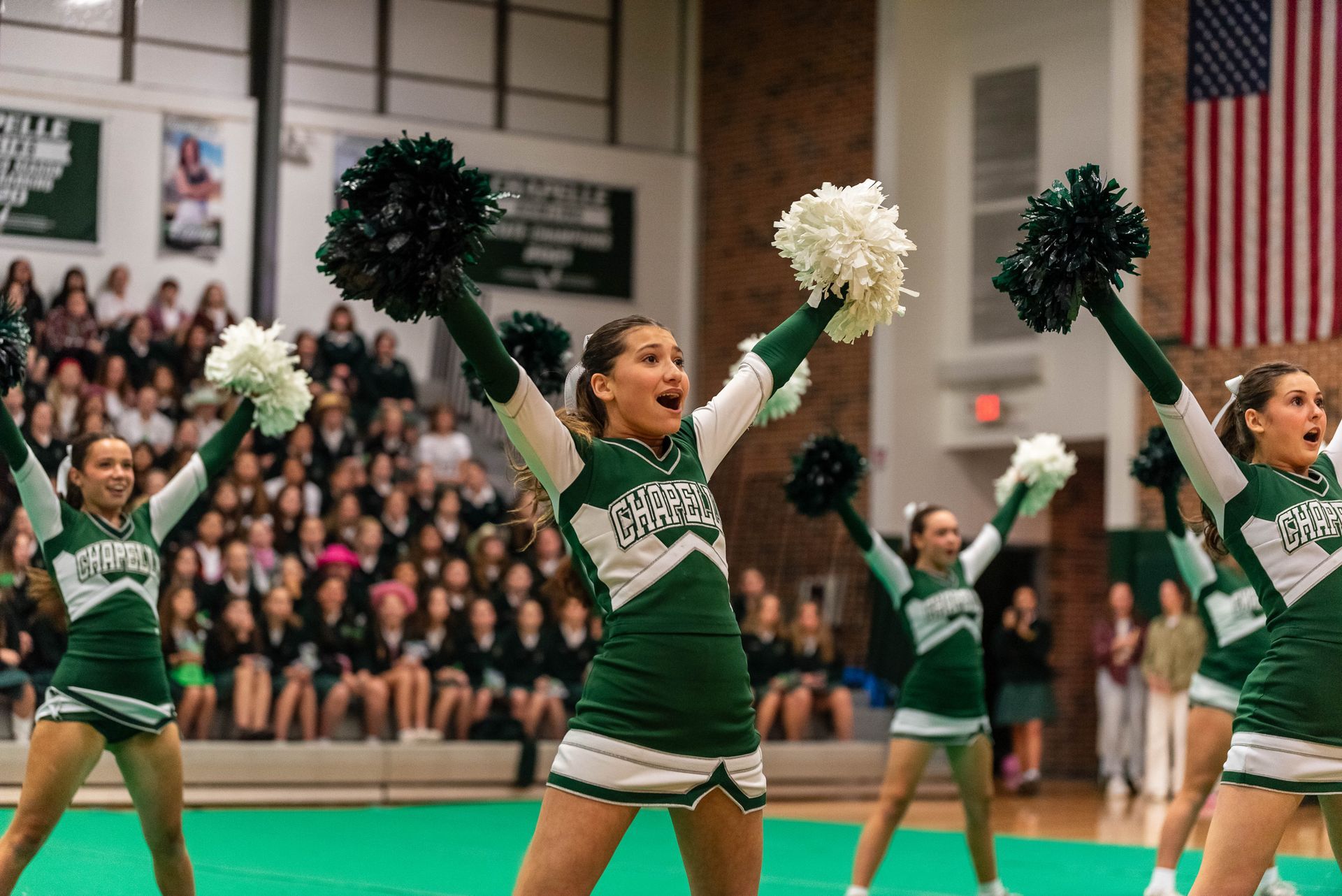
This is where

faith

blossoms

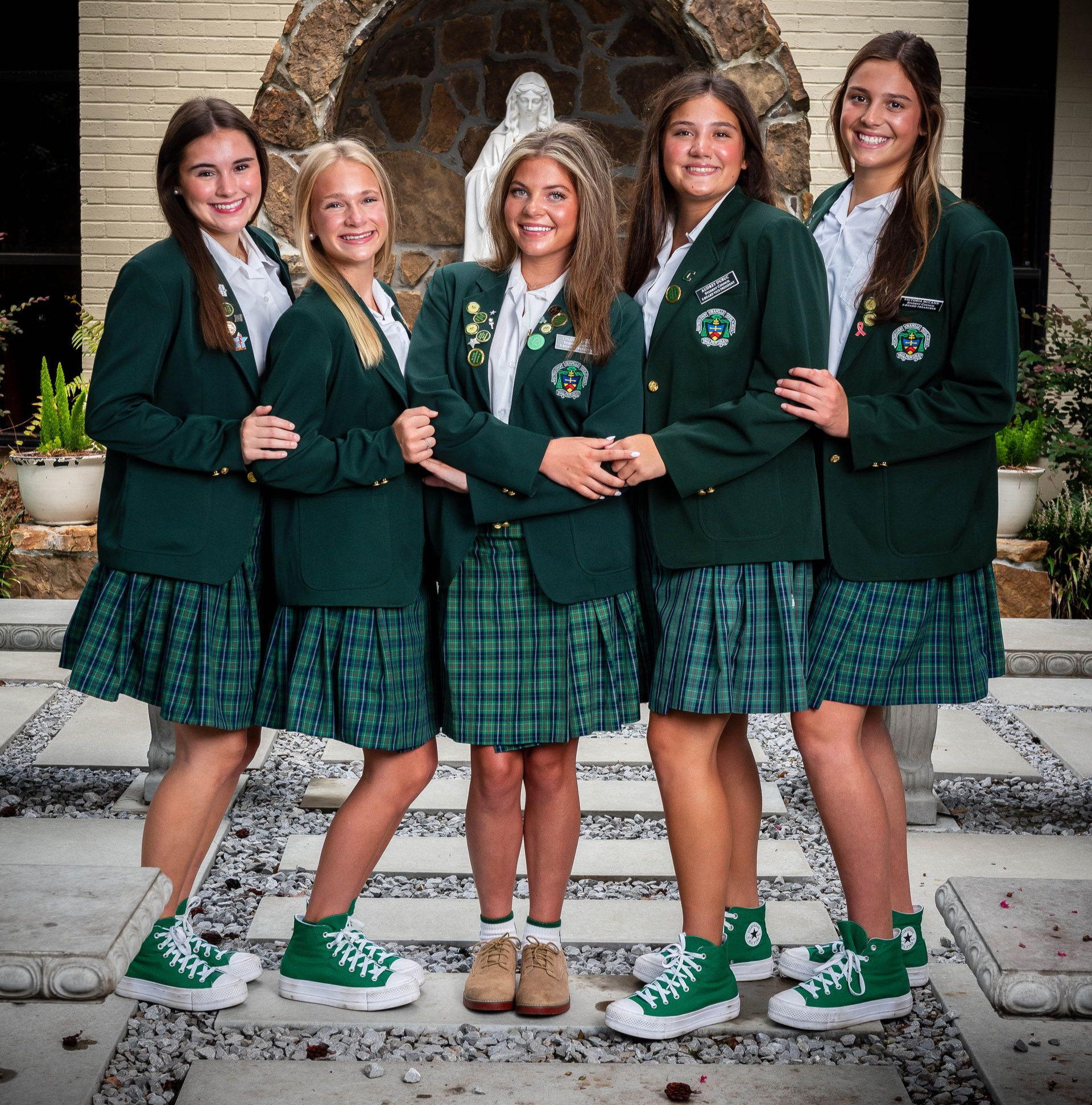
This is where potential

 is exceeded


 SINCE 1962

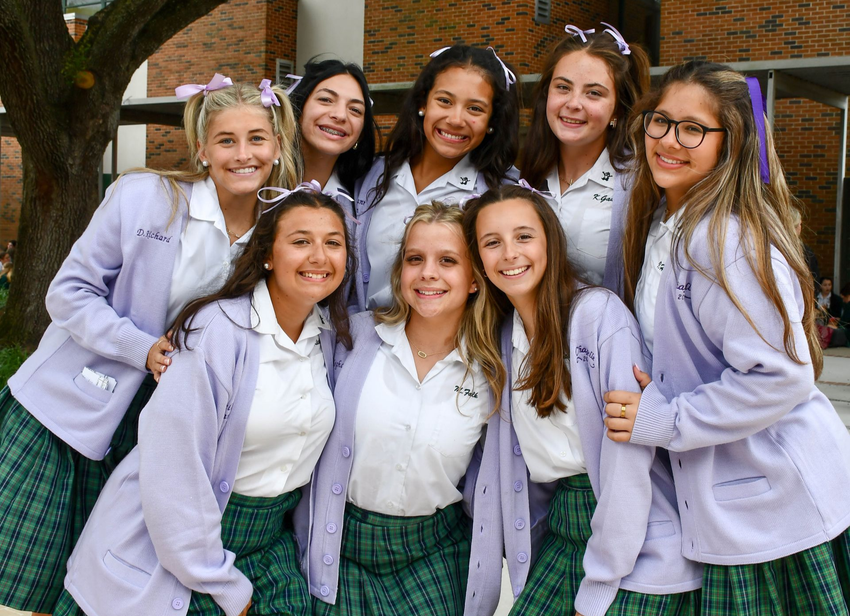
And this is where

you belong

Of all that Archbishop Chapelle High School offers to our students and their families, the most important is a fundamental promise: to know and love every young lady for who she is.


Our promise means that we teach and mentor each student mindful of their interests and strengths, both inside and beyond the classroom. It means that we help each student on her way to becoming her true, her best, and her most fully realized self in a warm environment rooted in Catholicism.

As we guide our students to grow into confident and capable women, we know they will find a home in these halls. They will build bonds that will last a lifetime and carry fond memories with them always. We invite you to learn more about our home and see how truly special it is to be a Chip.

DEUS PROVIDEBIT

GOD WILL PROVIDE

Chips at a Glance .

What's New, Chips?

By Jamie Hanzo April 27, 2026
Freshman Class Officer Candidates Angelina Macaluso - President Nina Occhipinti - Vice President Alayna Parks - Vice President Josie Dubuc - Secretary Kate Mancuso - Secretary Abigail Riehm - Secretary Leigh Hess - Treasurer Brennan Hotard - Treasurer Sofia Leal - Treasurer Milan Vitrano - Treasurer Karter Matherne - Historian Sophie Naquin - Historian
By Jamie Hanzo April 27, 2026
Sophomore Class Officer Candidates Rylee Ford - President Kasey Orlando - President Eleanor Cerise - Vice President Kaidyn Cooley - Secretary Ava Kissinger - Secretary Brooklyn Modica - Secretary Isabella Pelitire - Treasurer Jordan Morris - historian
By Jamie Hanzo April 27, 2026
Junior Class Officer Candidates Yara Zeitoun - President Nora Michelli - Vice President Simi Payne - Vice President Abigail Spiess - Vice President Ava Kennedy - Secretary Reese Follette - Treasurer Abbey Capella - Historian Ella Matherne - Historian CeCe Pineda - Historian Addie Terrio - Historian
By Vicky Smith April 27, 2026
Senior Election Candidates Video Submissions Senior Class Officer Candidates Mia Impastato - President Kendall Allen - Vice President Abby Naquin - Secretary Claire Wilmott - Secretary Kaia Braendel - Treasurer Julia Turnipseed - Historian
By Jamie Hanzo April 24, 2026
The Science Behind the Pop 🍿 In Mrs. Judy Homes’ Chemistry class, students recently explored a big concept using a very small (and very tasty) example: popcorn. But this wasn’t snack time...it was science in action! Why does popcorn pop? Each kernel contains a small amount of water (about 13–14% of its mass) trapped inside a tough outer shell. When heated, that water turns into steam. As the steam expands, pressure builds inside the kernel.  Because the shell is so strong, the steam can’t escape right away. The pressure keeps rising until — POP! — the kernel bursts open, and the starchy inside puffs out into the fluffy popcorn we recognize. The chemistry behind it all: This simple snack connects directly to core chemistry concepts: - Phase change: Liquid water turns into steam when heated. - Percent composition: Students calculate how much of the kernel’s mass is water. - Conservation of mass: The mass lost after popping equals the water that evaporated. - Gas laws: Expanding steam creates the pressure that causes the pop. Students measured kernels before and after heating to determine how much water was present — applying stoichiometry in a hands-on, real-world way. Why the water percentage matters: The sweet spot for popcorn is right around 13–14% water. - Too little moisture? Not enough pressure to pop. - Too much? The popcorn turns out chewy instead of light and fluffy. That tiny percentage makes all the difference. In Mrs. Homes’ classroom, chemistry isn’t just something students read about. It’s something they can see, measure, calculate… and occasionally smell like movie night.
By Jamie Hanzo April 24, 2026
By Jamie Hanzo April 27, 2026
Freshman Class Officer Candidates Angelina Macaluso - President Nina Occhipinti - Vice President Alayna Parks - Vice President Josie Dubuc - Secretary Kate Mancuso - Secretary Abigail Riehm - Secretary Leigh Hess - Treasurer Brennan Hotard - Treasurer Sofia Leal - Treasurer Milan Vitrano - Treasurer Karter Matherne - Historian Sophie Naquin - Historian
By Jamie Hanzo April 27, 2026
Sophomore Class Officer Candidates Rylee Ford - President Kasey Orlando - President Eleanor Cerise - Vice President Kaidyn Cooley - Secretary Ava Kissinger - Secretary Brooklyn Modica - Secretary Isabella Pelitire - Treasurer Jordan Morris - historian
By Jamie Hanzo April 27, 2026
Junior Class Officer Candidates Yara Zeitoun - President Nora Michelli - Vice President Simi Payne - Vice President Abigail Spiess - Vice President Ava Kennedy - Secretary Reese Follette - Treasurer Abbey Capella - Historian Ella Matherne - Historian CeCe Pineda - Historian Addie Terrio - Historian
By Vicky Smith April 27, 2026
Senior Election Candidates Video Submissions Senior Class Officer Candidates Mia Impastato - President Kendall Allen - Vice President Abby Naquin - Secretary Claire Wilmott - Secretary Kaia Braendel - Treasurer Julia Turnipseed - Historian
By Jamie Hanzo April 24, 2026
The Science Behind the Pop 🍿 In Mrs. Judy Homes’ Chemistry class, students recently explored a big concept using a very small (and very tasty) example: popcorn. But this wasn’t snack time...it was science in action! Why does popcorn pop? Each kernel contains a small amount of water (about 13–14% of its mass) trapped inside a tough outer shell. When heated, that water turns into steam. As the steam expands, pressure builds inside the kernel.  Because the shell is so strong, the steam can’t escape right away. The pressure keeps rising until — POP! — the kernel bursts open, and the starchy inside puffs out into the fluffy popcorn we recognize. The chemistry behind it all: This simple snack connects directly to core chemistry concepts: - Phase change: Liquid water turns into steam when heated. - Percent composition: Students calculate how much of the kernel’s mass is water. - Conservation of mass: The mass lost after popping equals the water that evaporated. - Gas laws: Expanding steam creates the pressure that causes the pop. Students measured kernels before and after heating to determine how much water was present — applying stoichiometry in a hands-on, real-world way. Why the water percentage matters: The sweet spot for popcorn is right around 13–14% water. - Too little moisture? Not enough pressure to pop. - Too much? The popcorn turns out chewy instead of light and fluffy. That tiny percentage makes all the difference. In Mrs. Homes’ classroom, chemistry isn’t just something students read about. It’s something they can see, measure, calculate… and occasionally smell like movie night.
By Jamie Hanzo April 24, 2026

Ready to start

your journey?

Explore Admissions

WHERE WILL CHAPELLE TAKE YOU

FEATURED  ALUMNAE  UNIVERSITIES