


PUBLISHED ON March 12, 2026
Alina Varkey '28
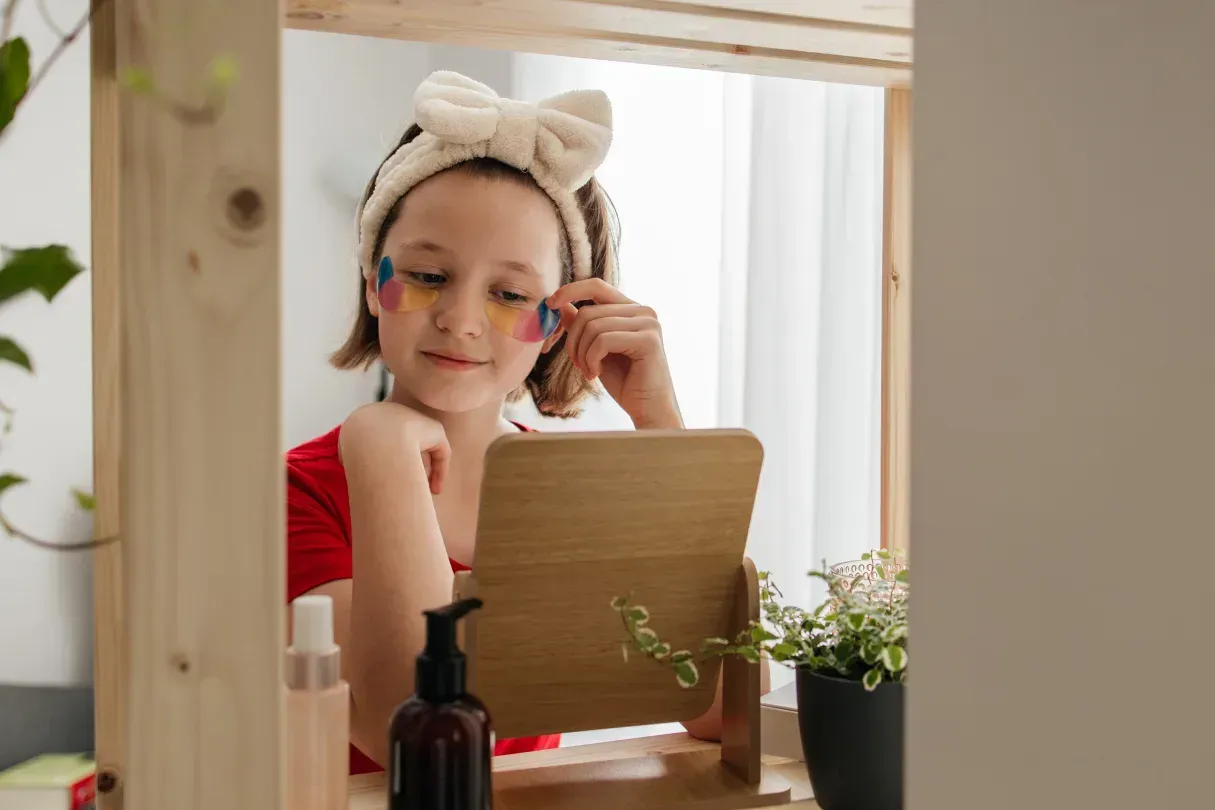
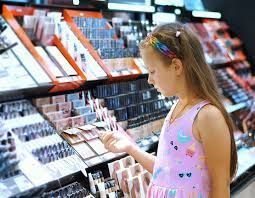
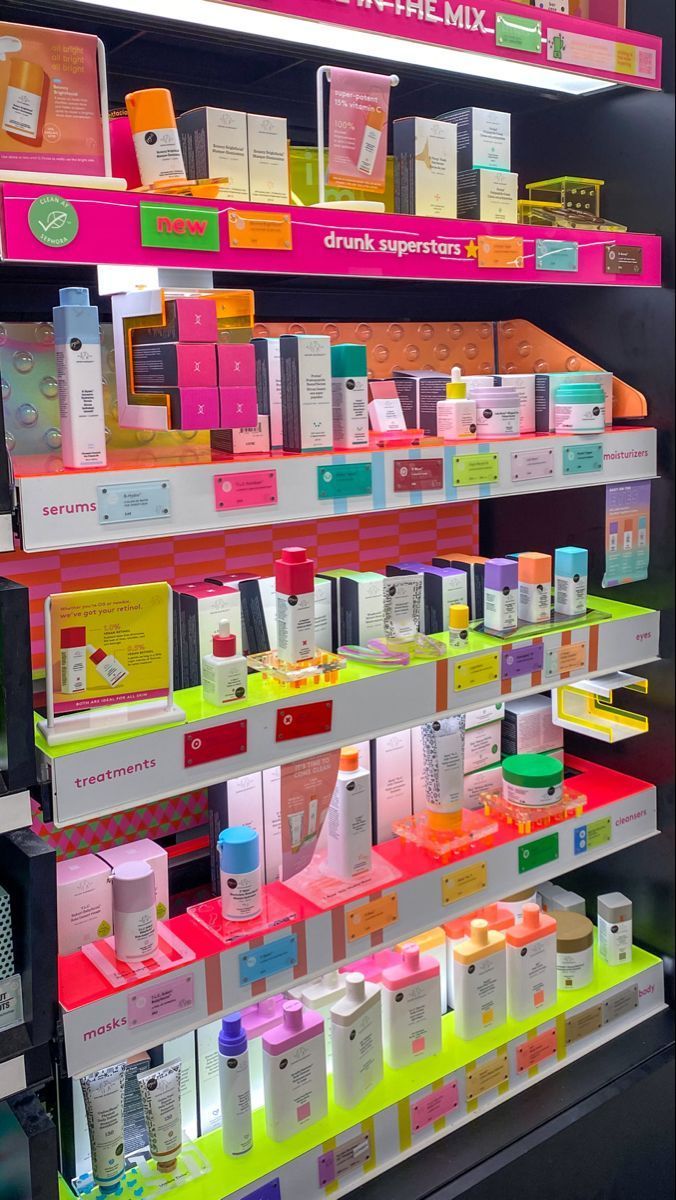
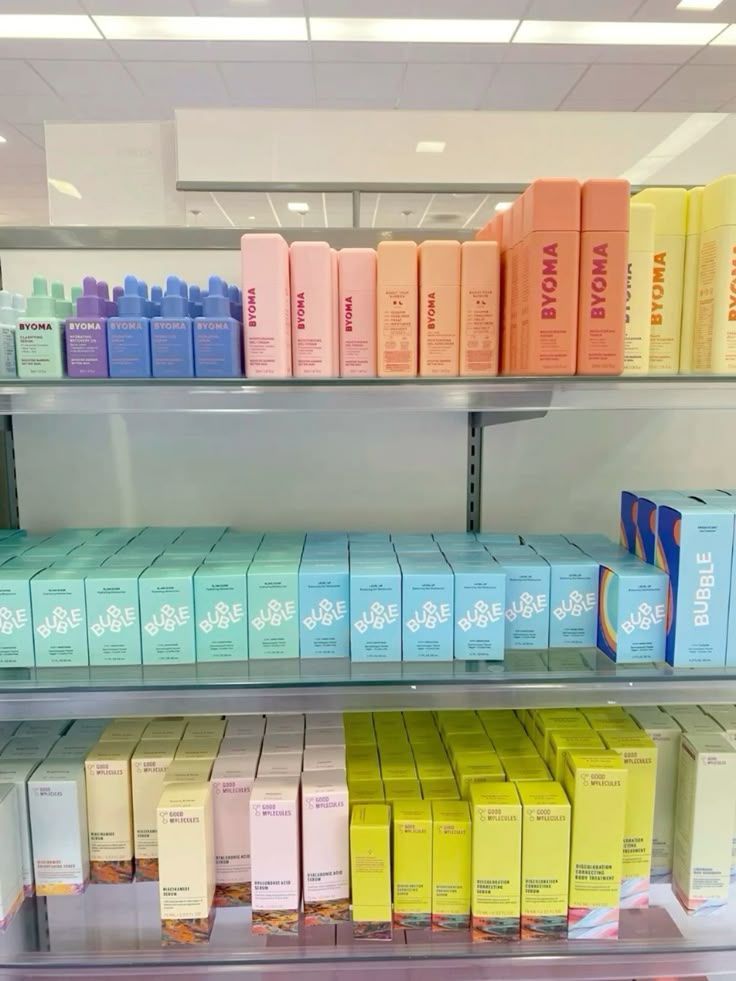
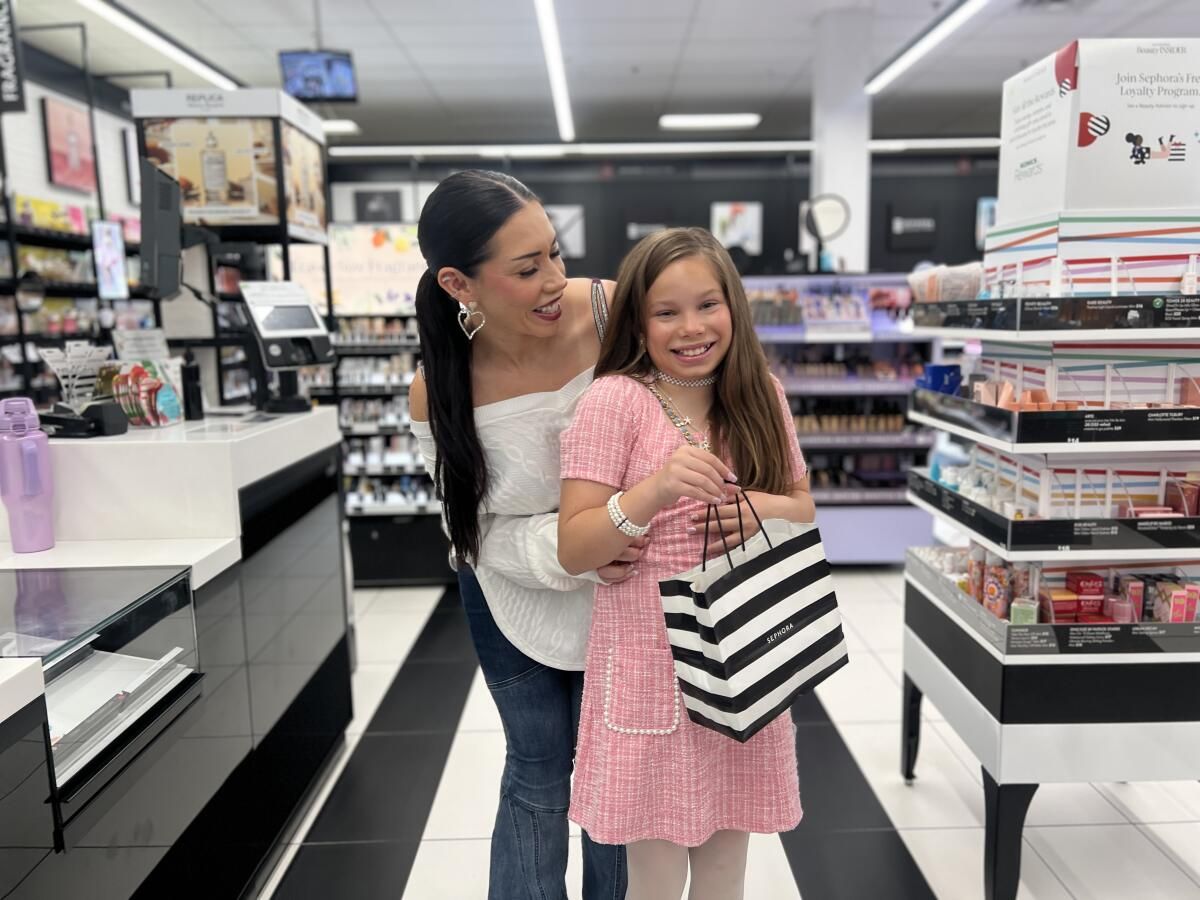
Colorful serums, expensive moisturizers, and intricate skincare routines are no longer limited to just adults. Preteens and even children have been crowding stores like Sephora and Ulta to buy ‘viral’ skincare products they see online. Particularly, brands like Drunk Elephant and Bubble have become popular among younger consumers, who have gone viral for trashing testers and store products, earning them the title of “Sephora kids” online. As various products continue to grow in popularity among children, concerned parents and students have begun to question the role social media plays. Is it appropriate to assume that kids are being pushed to grow up too quickly?
This sudden influx stems from social media, with platforms such as TikTok filled with videos of influencers boasting detailed skincare routines using expensive products, often garnering millions of views and making the products seem normal to impressionable young audiences.
Some students aren’t always pressured to give in easily, though. “I have seen makeup and skincare-related videos on social media quite a lot,” says Jena Reuther ‘29, “and it doesn’t really make me feel like I need to buy those products unless the advertising is good.” Similarly, Aubrey Braud ‘29 says, “I see makeup and skincare-related videos often; however, I often ignore them. Sometimes the way the product is advertised can persuade me into wanting to buy it.” These similar responses show that marketing and social media play a major role in how younger consumers view products and decide to purchase them.
Therefore, popularity in advertisements and on social media leads students to buy products that are much more expensive than typical hygiene products, which supports this argument; many brands trending among younger audiences are considered luxury or surprisingly expensive beauty items. Products from Drunk Elephant, for example, sold at stores such as Sephora, can range from $30 to over $80 per item. Adults can obviously afford these items, but considering that kids and preteens are the largest consumers, the price can be alarming. However, experts claim that the biggest issue isn’t necessarily the cost, but rather the underlying issues and whether kids should be using them at all.
Board-certified dermatologist Lucy Cheng says, “Information is widely accessible, and so is
misinformation. It’s overwhelming and confusing for teens and tweens. ‘Active’ ingredients — like salicylic acid, retinols, peptides are more suitable for mature skin to target wrinkles or skin with specific concerns like acne. But for tweens and teens, these ingredients can do damage, irritate the skin, and cause the reverse effects they are hoping to achieve.” Dermatologists tend to recommend simple routines, such as gentle cleansers, moisturizers, and SPF 30 or above (“Kids into Skincare”).
Therefore, viral skincare routines include ingredients that younger skin doesn’t need. This sudden popularity among younger demographics shows that online trends can be influential. What can begin as entertainment or a quick way to earn revenue on social media platforms can spiral into dictating what kids want to buy. With social media remaining relevant in shaping the beauty scene, this conversation is unlikely to die down. Whether these beauty rituals are harmless habits or evidence that children are being pressured to look a certain way, they show that online trends can shape large groups of people into adopting them as everyday habits.
Recommended Posts